Carpets enhance comfort and style in any home, but they also collect dust, allergens, bacteria, and moisture over time, especially in Raleigh, NC, where humidity can impact indoor air quality. Understanding proper carpet cleaning methods comparison helps homeowners choose the most effective solution for both cleanliness and health. Many families today are focused on improving air quality, making it essential to identify the best carpet cleaning method for allergies. This guide explores modern carpet cleaning techniques in 2026, giving you clear insights into performance, drying time, cost, and overall effectiveness for maintaining a cleaner, healthier home environment.
Carpet Cleaning Methods Comparison in 2026
Hot Water Extraction (Steam Cleaning)
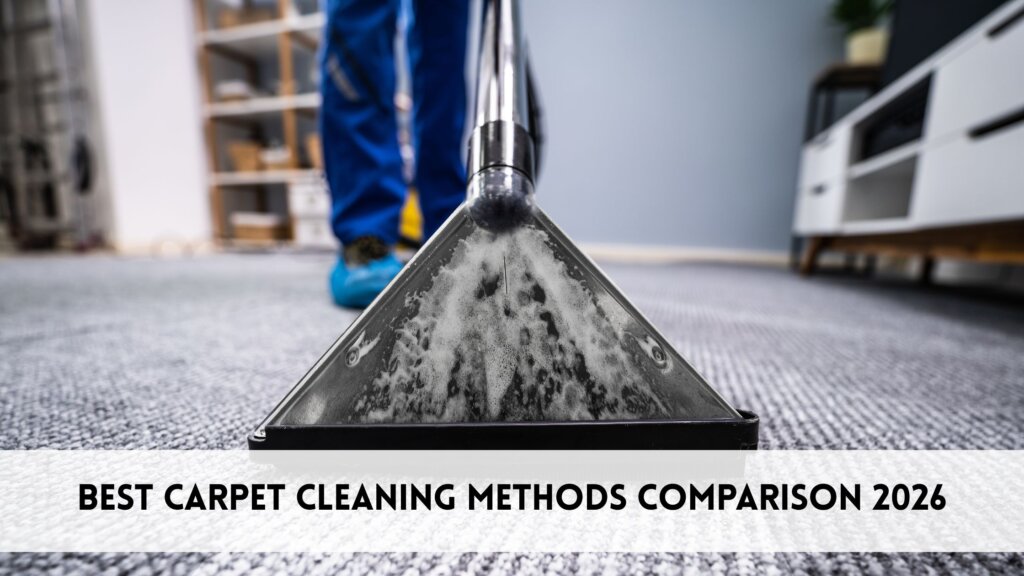
This method uses high-pressure hot water combined with professional-grade suction to remove deep-seated dirt, bacteria, and debris from carpet fibers. The heat helps break down contaminants while extracting them effectively. It provides a thorough clean that improves indoor hygiene and extends carpet lifespan. It typically requires several hours of drying but delivers long-lasting, high-quality results.
Dry Carpet Cleaning
Dry cleaning uses specialized compounds or powders spread across the carpet to absorb dirt and oils. The material is then vacuumed away, leaving the carpet clean with minimal moisture. This method offers fast drying times, making it suitable for busy households. However, it mainly cleans the surface and may not remove deeply embedded contaminants.
Carpet Shampooing
Carpet shampooing involves applying a foamy detergent and scrubbing it into the fibers using a machine. It effectively removes visible dirt and stains, improving appearance. However, excess moisture and leftover residue can attract dirt over time if not rinsed properly. This method is less commonly used today due to improved alternatives.
Bonnet Cleaning
Bonnet cleaning uses a rotating pad soaked in a cleaning solution to scrub the surface of the carpet. It is often used in commercial environments for quick maintenance. While it improves the carpet’s appearance, it only cleans the top layer and does not remove deep dirt, making it unsuitable for thorough residential cleaning.
Encapsulation Cleaning
Encapsulation cleaning applies a specialized solution that surrounds dirt particles and turns them into dry crystals. Once dried, the residue is vacuumed away. This method uses minimal water and dries quickly, making it efficient for routine maintenance. However, it does not penetrate deeply into carpet fibers compared to more intensive cleaning methods.
Low-Moisture (VLM) Cleaning
Very low moisture cleaning uses advanced machines and limited water to clean carpets efficiently. It reduces drying time significantly while still providing decent cleaning performance. This method is commonly used in commercial spaces but is also suitable for residential use when a quick turnaround is needed. It may not remove deeply embedded debris.
Foam Cleaning
Foam cleaning involves applying a thick cleaning foam that is worked into carpet fibers using a brush machine. The foam attracts and lifts dirt, which is later vacuumed away. It offers moderate cleaning results and uses less water than traditional methods. However, improper application can leave behind residue that affects carpet texture.
Absorbent Pad Cleaning
This method uses a machine with an absorbent pad that rotates over the carpet surface to lift dirt. The pad absorbs soil and moisture, leaving the carpet relatively dry. It is effective for light cleaning and maintenance but does not reach deep into the carpet layers, limiting its effectiveness for heavily soiled areas.
Eco-Friendly Carpet Cleaning
Eco-friendly cleaning uses non-toxic, biodegradable solutions that are safe for people, pets, and the environment. It focuses on reducing chemical exposure while still delivering effective results. Often combined with other cleaning techniques, this method is ideal for maintaining a healthier indoor environment without compromising on cleanliness or safety.
What are the Best Carpet Cleaning Method for Allergies in Raleigh Homes?
For homeowners dealing with allergies, selecting the best carpet cleaning method for allergies is essential to maintain a healthier indoor environment. In Raleigh, NC, seasonal pollen, dust mites, pet dander, and humidity-related mold spores can easily become trapped in carpet fibers, worsening respiratory issues and indoor air quality.
Among all available options, hot water extraction (steam cleaning) is widely recognized as the most effective solution. This method uses high-temperature water and powerful extraction to penetrate deep into the carpet, removing embedded allergens, bacteria, and contaminants. The heat helps eliminate dust mites and microorganisms, while the strong suction ensures that pollutants are thoroughly removed rather than left behind.
In comparison, low-moisture and dry cleaning methods may offer faster drying times, but they typically clean only the surface layer and do not fully extract deeply embedded allergens. This makes them less effective for households with allergy concerns. For families with pets, children, or individuals sensitive to airborne irritants, investing in the best carpet cleaning method for allergies provides long-term benefits. It not only improves carpet cleanliness but also enhances indoor air quality, creating a safer and more comfortable living space in Raleigh homes.
How Often Should You Clean Your Carpets?
Carpet cleaning frequency depends on lifestyle, foot traffic, and environmental conditions in Raleigh. Recommended Schedule:
- Every 6–12 months for standard households
- Every 3–6 months for homes with pets or kids
- Every 3 months for allergy-sensitive households
Regular cleaning not only improves appearance but also prevents the buildup of allergens and bacteria. Based on any carpet cleaning methods comparison, consistent deep cleaning extends the life of your carpet and keeps your indoor environment healthier.
Cost Comparison of Carpet Cleaning Methods (2026)
Understanding pricing helps you choose the best value, not just the cheapest option.
Average Cost Breakdown:
- Steam Cleaning (Hot Water Extraction): $100–$300 per home
- Dry Carpet Cleaning: $75–$200
- Shampooing: $80–$220
- Encapsulation: $90–$250
- Bonnet Cleaning: $100–$250 (mostly commercial)
Final words
Carpet cleaning plays an important role in maintaining indoor hygiene, air quality, and the overall lifespan of your flooring. This carpet cleaning methods comparison highlights that while multiple techniques are available, their effectiveness varies significantly.
In Raleigh, NC, where humidity and allergens such as pollen and dust mites are common, deep cleaning becomes essential. Hot water extraction stands out for its ability to remove embedded contaminants and improve indoor conditions. Knowing the best carpet cleaning essentials helps homeowners make informed decisions, ensuring a cleaner, healthier, and more comfortable living environment with long-lasting results.
Frequently Asked Questions
What is the most effective carpet cleaning method?
Hot water extraction (steam cleaning) is widely considered the most effective carpet cleaning method because it removes deep-seated dirt, bacteria, and allergens.
What is the best carpet cleaning method for allergies?
The best carpet cleaning method for allergies is steam cleaning, as it uses high heat to eliminate dust mites, pollen, and other allergens without leaving residue.
Is steam cleaning better than dry cleaning?
Yes, steam cleaning provides deeper cleaning and better allergen removal, while dry cleaning is more suitable for quick surface maintenance.
How long does carpet cleaning take to dry?
Steam-cleaned carpets typically take 6–12 hours to dry, while dry cleaning methods can dry within 1–2 hours.
How often should carpets be cleaned in Raleigh?
Most homes in Raleigh should schedule professional carpet cleaning every 6–12 months, or more frequently if pets or allergies are a concern.
Related Categories: Carpet Cleaning